Breast changes to get checked
Changes can look different on different skin tones. Contact a GP, or your doctor if you live outside the UK, about any change that is new or unusual for you. Most changes are not cancer.
-
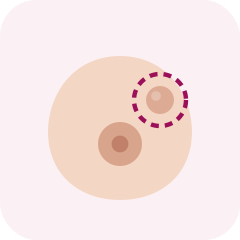
A lump or thickeningA new lump or thickened area in the breast, chest or armpit, even if it is painless. -
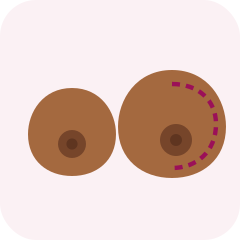
A change in size or shapeOne breast or side of the chest looks or feels different in size, outline or shape. -
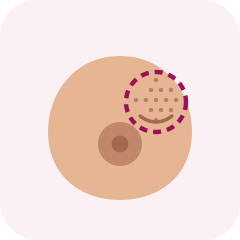
Dimpling or puckeringSkin that dimples, puckers or looks like orange peel. -
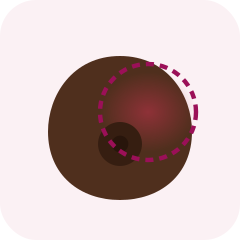
Redness or a colour changeNew redness, darkening or discolouration. On darker skin this may look purple or darker rather than red. -
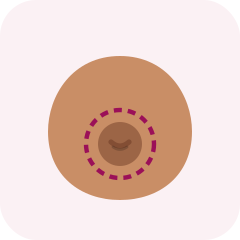
A nipple turning inwardsA nipple that has recently become pulled in or changed position. -
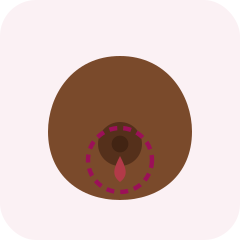
Nipple dischargeFluid from the nipple when you are not pregnant or breastfeeding, especially if it contains blood. -
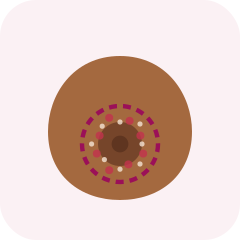
A rash or crustingA rash, crusting or scaly skin on or around the nipple. -
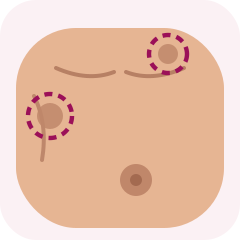
Swelling in the armpit or near the collarboneA lump or swelling in your armpit or around your collarbone.
Illustrations are simplified drawings, not medical images. Based on the NHS list of breast cancer symptoms.
What are the symptoms of breast cancer?
Changes can affect the breast, chest, nipple or armpit. You may notice one change or several, and a change can be painless. Look out for:
- A new lump, thickening or swelling in your breast, chest or armpit.
- A change in the size or shape of a breast.
- Skin that looks dimpled or puckered, or new redness. Colour changes may be less obvious on darker skin.
- A nipple that has started to turn inward, or a new rash or change around it.
- Unusual nipple discharge, especially if it contains blood and you are not pregnant or breastfeeding.
When should I see a GP?
Contact your GP if you notice a new lump, swelling or another breast or nipple change that is not normal for you. Do not wait for your next routine screening appointment. A recent normal mammogram does not replace an assessment of a new symptom.
Many breast changes are caused by other conditions. Having a symptom does not mean you have cancer, but checking with a GP is the way to find out what is causing it. Tell the GP about pain that worries you and any family history of breast or ovarian cancer.
What does a breast cancer lump feel like?
You cannot tell whether a lump is cancer by feeling it yourself. Lumps can have different textures and causes. A lump that is small, soft, movable or painless still needs checking if it is new or unusual for you. Try to note where you found it and when you first noticed it for your appointment.
Can breast cancer cause pain or happen without a lump?
Breast pain on its own is not usually a symptom of breast cancer. Breast cancer can, however, cause changes without an obvious lump or without pain. Look out for skin, shape and nipple changes as well. Ask your GP about any new or persistent change that concerns you.
What happens at a GP appointment?
Your GP may ask about the change, previous screening and your family history. They may examine your breasts or chest. You can ask for someone to be with you during an examination. If further assessment is needed, the GP may refer you to a breast clinic for tests. A referral does not mean you have cancer.
How can I get to know my breasts or chest?
Check how your breasts or chest normally look and feel, including around the nipples and armpits. There is no need to press hard. The NHS suggests checking regularly, around once a month. Our breast awareness guide explains the steps. Self-checking cannot diagnose cancer and does not replace screening or a GP assessment.
Can men get breast cancer symptoms?
Men can also develop breast cancer. A new chest lump, nipple change or swelling should be checked by a GP. Our guide to breast cancer in men explains more. Anyone with a new breast or chest change can ask for medical advice.
NHS GP Appointment Preparation Checklist
If you notice a breast change, preparing key details beforehand helps your GP assess you effectively. Select your details below to generate a printable summary card for your appointment.
- Do I need an urgent referral to a breast clinic, and how soon should I expect to be seen?
- Will an ultrasound or mammogram scan be arranged?
- What should I do if my symptoms change while waiting for an appointment?
Frequently asked questions
What are the first signs of breast cancer?
Should I wait for my next mammogram if I find a lump?
Can breast cancer occur without a lump?
Does a painful breast mean I have cancer?
Can you have breast cancer with no symptoms?
Can breast cancer symptoms come and go?
Can breast cancer cause back or shoulder pain?
Does breast cancer itch?
Can breast cancer make you tired?
Sources and further reading
- NHS: symptoms of breast cancer in women
- NHS: how to check your breasts or chest
- NHS: who breast screening is for
- World Health Organization: breast cancer
This content is for educational purposes and does not constitute medical advice. Always consult a qualified healthcare professional for personal medical guidance. Source links do not imply endorsement by the NHS or another organisation. See our editorial policy.